
September's biggest hospitality technology story was not another isolated chatbot launch. It was the steady movement of AI into the full travel journey: discovery, comparison, booking, arrival, in-stay service and operational support.
Google moved conversational search closer to a completed hotel booking. Agoda connected open-ended trip ideas with live inventory. Accor extended conversational support across the guest lifecycle and into hotel operations. Thailand's THIM showed that the connected journey also includes immigration and arrival information.
These developments affect different parts of travel, but they point in the same direction. Travellers are being offered fewer disconnected steps, while hospitality businesses are being asked to provide clearer information across more systems.
For hotels and tourism businesses, the practical question is shifting from "Should we use AI?" to "Where can technology remove friction without removing hospitality?"
September at a glance
| Development | Journey stage | What changed | What businesses should review |
|---|---|---|---|
| Google AI Mode | Discovery and booking | Conversational hotel comparison can move into room selection and payment. | Property data, policies, reviews, rates and booking connectivity. |
| Agoda AI Assistant | Planning and packaging | Trip ideas can be matched with live stays, flights and activities. | Distinctive descriptions, availability and experience content. |
| Accor ALL Concierge | Booking through post-stay | One conversation can support research, booking management and service. | Frequently asked questions, escalation rules and staff handovers. |
| Thailand THIM | Pre-arrival and arrival | Immigration information is becoming part of a broader digital visitor journey. | Pre-arrival messages, official links and staff knowledge. |
The important point is not that every operator needs four new systems. It is that information now moves between discovery, transactions and service. Any gap or inconsistency can appear at more than one stage of the journey.
Google brought hotel booking into AI search
Google expanded AI Mode so travellers can discover, compare and book hotels within a conversational search experience. A traveller can describe a trip and hotel preferences, review a visual set of options, compare guest reviews and then continue into room selection, cancellation details and payment.
The initial hotel-booking rollout is in US English. Partners named by Google include Booking.com, Choice Hotels, Expedia, Hilton, Hotels.com, IHG, Marriott, Priceline, Trip.com and Wyndham. The hotel or booking platform remains the merchant of record and handles customer service. Google also added flight price tracking and points or miles comparisons, with availability varying by market and partner. Read Google's announcement.
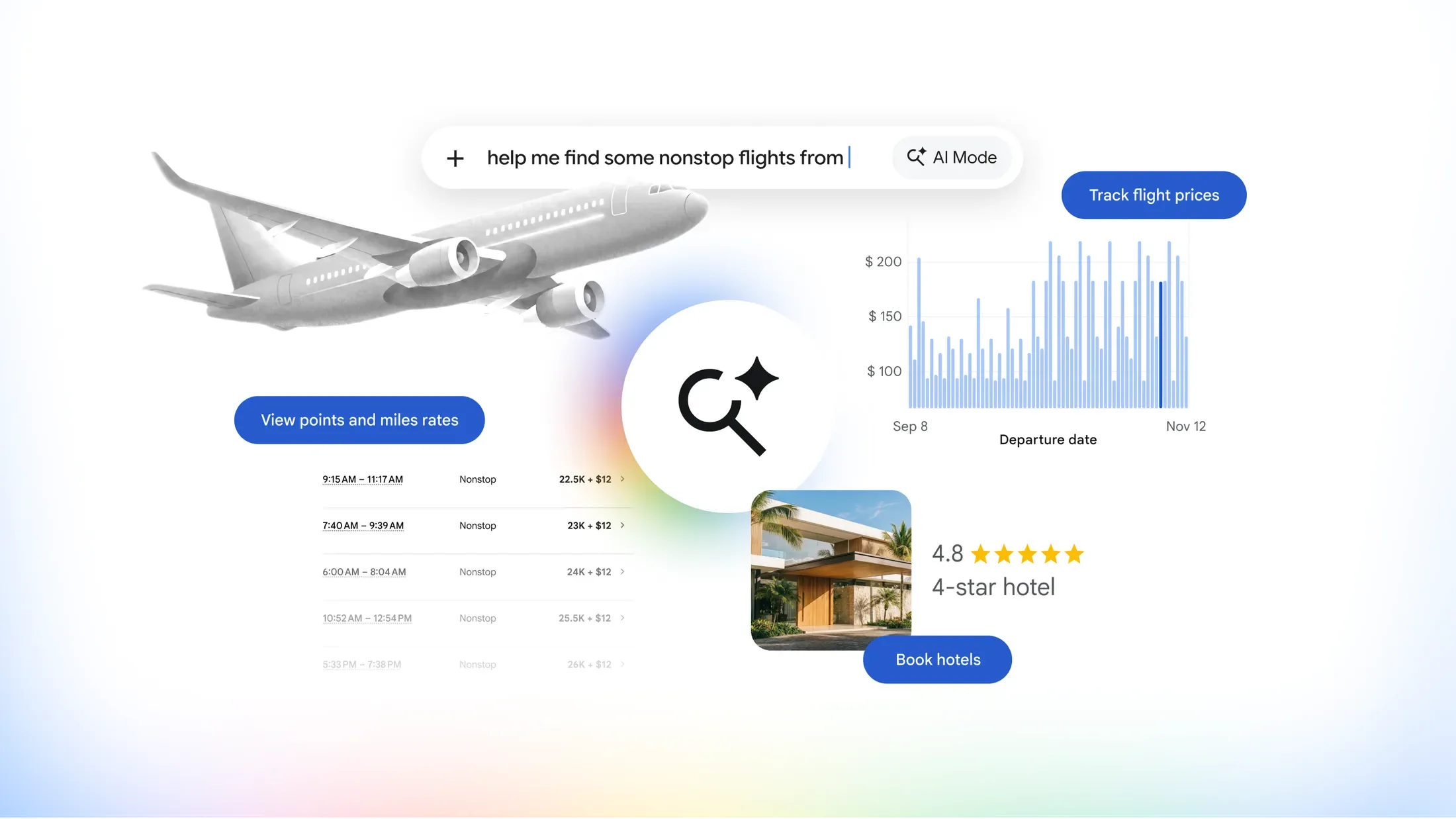
Why it matters: hotel discovery is moving beyond traditional search results and OTA filters. A conversational interface can interpret a request, narrow the market and influence the booking path before a traveller visits a hotel's website.
This creates an AI visibility challenge. Can a search system understand who a property is for, what is included, where it is located, how policies work and whether the information is current? A property described only as a "boutique hotel in a great location" gives an AI system very little useful context.
What to do: check that room names, facilities, check-in times, cancellation terms, accessibility information, family policies and location descriptions agree across your website, Google Business Profile, booking engine and major distribution partners. The goal is not keyword repetition. It is a consistent set of facts that can be understood and compared.
Accor launched ALL Concierge
Accor announced the full launch of ALL Concierge, a conversational travel companion designed to remain with a guest across discovery, comparison, booking, reservation management and support. Accor says the system was trained on more than one million conversations during its pilot phase and is available through ALL.com, its app and messaging channels, with support across 11 languages on the website.
The product can retrieve property details, dining hours and amenities, recognise loyalty members and hand complex requests to a person without forcing the guest to restart the conversation. Accor also introduced The Butler, an internal assistant intended to help hotel teams find information and guidance more quickly. Read Accor's announcement.
Why it matters: the most useful part of the model is continuity. Guests often repeat the same information across a website chat, call centre, front desk and messaging app. A connected service can reduce that repetition, but only if the handover to staff includes the context and does not hide the route to a person.
What to do: independent hotels do not need to reproduce Accor's platform. Start by identifying the ten questions that consume the most staff time. Decide which can be answered safely from approved information, which require live booking data and which must always go to a person. Emotional complaints, accessibility needs, payment disputes and service recovery should have a clear human route.
Agoda tested an AI trip-planning assistant
Agoda began a limited public beta of an AI Assistant designed to turn broad travel ideas into bookable options. The assistant connects conversational planning with Agoda's live inventory of more than 6 million properties, over 130,000 flight routes and more than 300,000 activities.
Travellers can explore ideas, compare options and check current prices and availability without leaving the app. The assistant also retains preferences and trip context as the conversation develops. The initial beta is available to selected mobile-app users, with a wider rollout planned. Read Agoda's announcement.
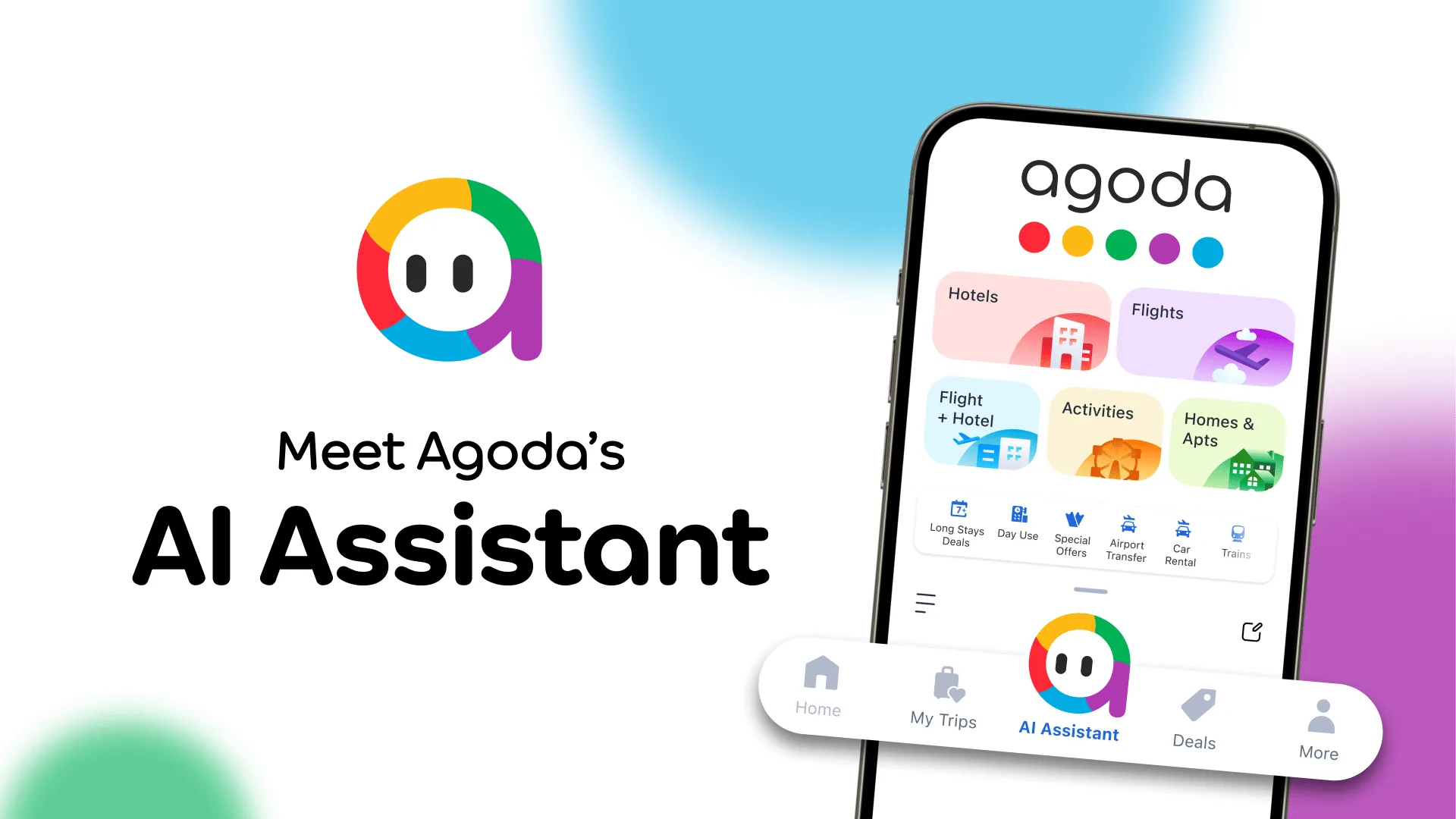
Why it matters: this changes the starting point from filters to intent. A traveller may describe an outcome, such as "a quiet long weekend near the coast with good food", rather than selecting a star rating, neighbourhood and amenity list one filter at a time.
That makes distinctive, factual content more useful. "Boutique hotel" is generic. "A 24-room adults-only hotel with a private garden, walkable restaurants and late check-in" gives a recommendation system more evidence to match the property with the right trip.
What to do: rewrite thin room and experience descriptions around real use cases. Explain who an experience suits, how long it takes, what is included, how guests reach it, what happens in poor weather and what makes it different from nearby alternatives. Maintain those details on your own website as well as distribution platforms.
Thailand introduced THIM as a digital gateway
Thailand formally launched THIM, the Thailand Immigration application, as a digital gateway for international visitors. Its first functions connect with Thailand Digital Arrival Card registration. During the earlier pilot, TAT said travellers could scan passport details, add accommodation and travel information, register groups of up to ten people and reach the Tourist Police hotline through the app.
TAT also stressed that THIM did not create an additional arrival-card requirement during the pilot and that travellers should continue following current official TDAC guidance. Further immigration services remain subject to confirmation. See TAT's guidance and September launch coverage.
For the practical implications beyond immigration, read our analysis of what tourism businesses can learn from Thailand's THIM app.
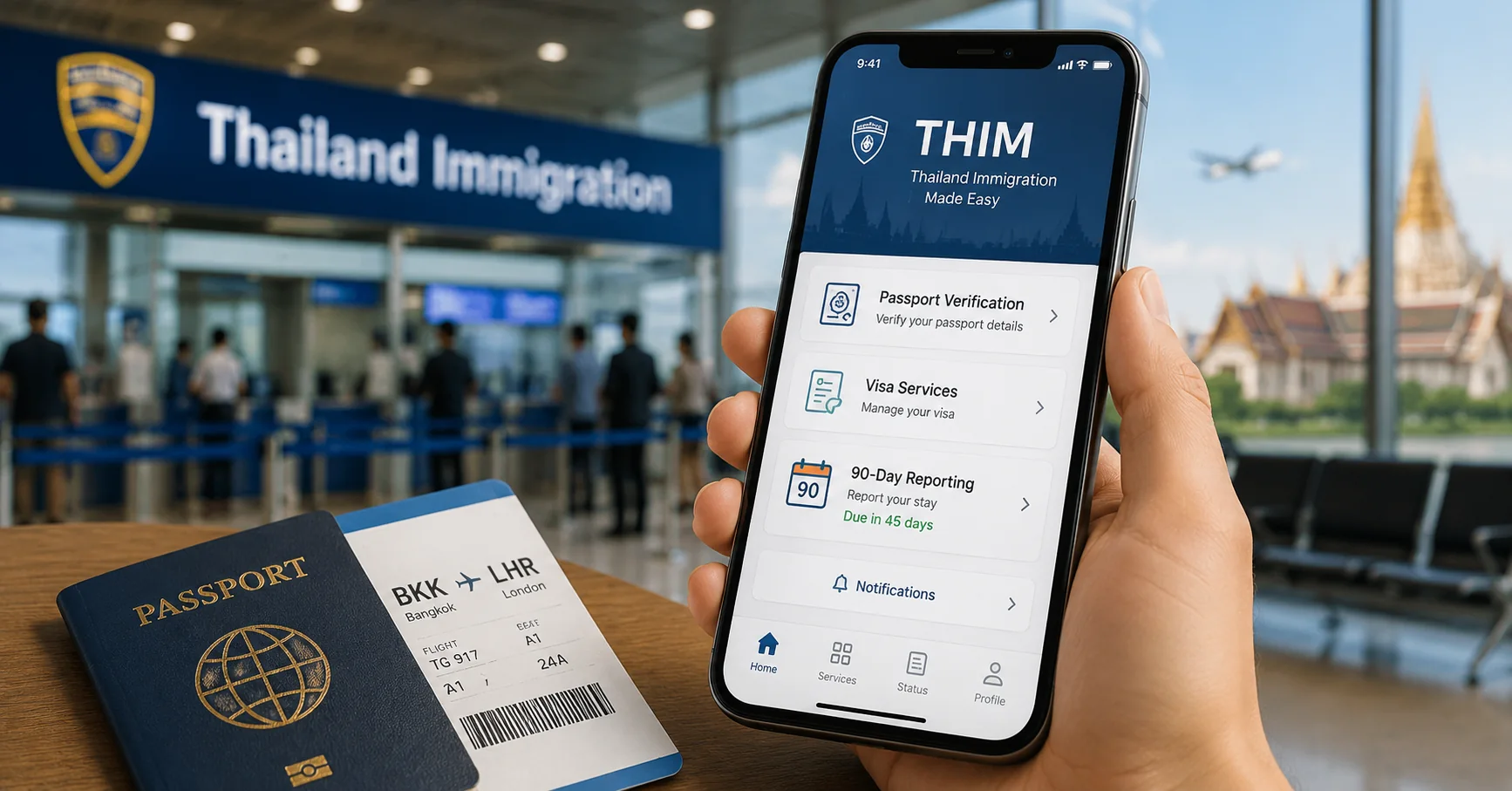
Why it matters: tourism technology is not only about marketing or hotel operations. Entry requirements, identity processes, emergency support and destination information shape the guest experience before arrival.
What to do: review every automated pre-arrival email and message. Link to official sources rather than copying requirements that may become outdated. State clearly which forms are compulsory, when they should be completed and where guests can verify the latest information. Train front-desk and reservations teams to distinguish official requirements from optional services.
Distribution is becoming the first major AI battleground
Marriott's CEO said the biggest impact of AI on the hotel industry is likely to be distribution: how travellers discover and book hotels. Read Skift's report.
That assessment fits September's developments. Google is moving closer to booking. Agoda is turning intent into live options. Accor is keeping guests inside one conversational environment. Each reduces the number of times a traveller needs to start again on another platform.
For suppliers, convenience comes with a strategic question: who owns the relationship, the data and the opportunity to build loyalty? AI can act as the first layer between a traveller and a hotel, but the booking platform may still control the transaction and customer service.
Direct booking therefore remains important, but the route to a direct booking is changing. Hotels need content and structured information that can earn discovery, a booking experience that removes unnecessary friction, and a reason for the guest to maintain a direct relationship after arrival.
What connects these updates
1. Conversation is becoming an interface
Travellers are increasingly able to express an outcome in natural language instead of learning the structure of each website or app. This does not remove the need for filters and forms, but it can hide much of that complexity.
2. Accurate data matters more than impressive copy
Conversational systems still depend on property facts, live availability, policies, reviews and trusted destination information. If those inputs disagree, a smoother interface can deliver the wrong answer more efficiently.
3. Human handovers are part of the product
Accor's human-in-the-loop model is particularly relevant. Automation should not become a barrier when a guest is distressed, confused or dealing with an exception. The quality of the handover matters as much as the quality of the automated reply.
4. The journey starts earlier and ends later
Discovery, loyalty points, immigration information, pre-arrival questions, in-stay support and post-stay requests are becoming connected. Businesses that organise teams and systems around isolated channels may struggle to see the full guest context.
A practical 30-day action plan
- Audit your core facts. Compare room details, policies, facilities, location information and contact details across your website, Google Business Profile, booking engine and major OTAs.
- Improve three generic descriptions. Replace broad claims with specific facts about the guest, setting, access, inclusions and experience.
- Map your ten most common questions. Mark which can use an approved automated response, which require live data and which must go directly to a person.
- Test the handover. Submit a complex request through your website, messaging and booking channels. Check whether staff receive the conversation context.
- Review pre-arrival information. Verify every immigration, transport and destination link against an official source. Add a review date and owner.
- Measure useful outcomes. Track resolved questions, booking starts, direct conversions, staff time saved, escalation rates and guest satisfaction. Do not rely only on message volume.
For a wider check of whether your website gives search engines and AI systems enough reliable context, use the NJOY AI Website Readiness Scanner.
What to watch in October
October should show whether the industry is moving from interesting demonstrations to practical, connected implementation.
First, the Tourism Innovation Summit in Seville takes place from 6 to 8 October. Sessions cover hospitality, destinations, distribution, data, sustainability and technology. The useful question for operators will be which ideas can improve margins or guest experience now, not simply which tools look impressive.
Second, watch the rollout of AI-led hotel discovery and booking. Google's hotel-booking experience is initially limited by market, language and partner integration. Expansion, placement and the balance between direct suppliers and intermediaries will matter.
Third, look for evidence of successful human handovers. Response speed is easy to promote, but guest outcomes, recovery and staff adoption will show whether connected service is working.
Finally, keep an eye on confirmed updates to Thailand's THIM platform. Hotels and tour operators should update pre-arrival guidance only when official requirements change.
Key takeaway
The future of hospitality will not be technology versus people. It will be technology removing friction so people can deliver better hospitality.
For independent operators, the immediate opportunity is not to copy the largest platforms. It is to make information clearer, remove one or two repeated tasks and protect the moments where a guest needs judgement, reassurance or care.