
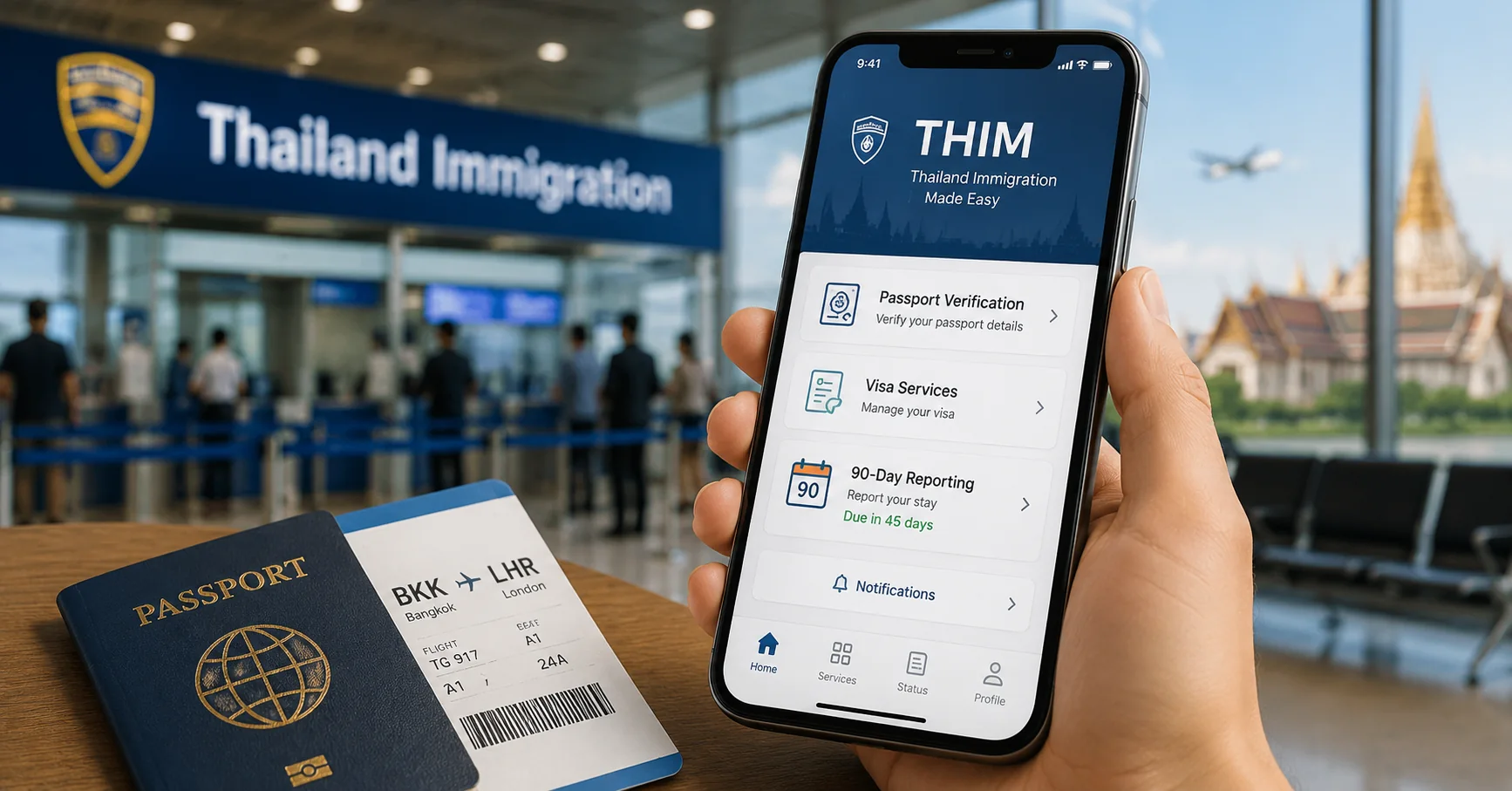
Thailand’s immigration app, THIM, is now officially launched after a pilot phase. Since becoming available on 1 August 2026, it has recorded more than 600,000 downloads and 580,000 users, according to Immigration Bureau figures reported by The Nation.
For tourism businesses, the interesting story goes beyond the download count. Thailand is making more of the arrival process available before a visitor reaches the border. That changes what travellers expect from the businesses they encounter before and after their journey.
Digital arrival is becoming familiar across Asia
Thailand is part of a wider shift. Singapore accepts its arrival card through the MyICA app or website. Malaysia has a Digital Arrival Card, and South Korea lets eligible travellers complete an e-Arrival Card online.
The systems are different, but the direction is clear: more of the information needed on arrival is being collected before travel. Visitors can complete a task when they have their passport and booking details to hand, instead of working it out at a busy checkpoint.
THIM gives travellers another way to submit Thailand’s existing digital arrival card, the TDAC. It also includes an Explore Thailand feature with offers from participating businesses. The Immigration Bureau plans to add more services over time, including appointments and visa-related processes. Those future features should be treated as plans until they launch. The Nation reported the launch details; Thailand’s Tourism Authority explained the pilot and how THIM connects to TDAC.
The lesson for UK and European destinations
A hotel in Britain or a tour operator in Europe cannot redesign immigration. They can make the visitor’s journey around it easier.
An international guest may move between airline instructions, government websites, transport bookings, accommodation emails and local travel advice. If those messages are unclear or inconsistent, the visitor has to piece the journey together. If they are timely and easy to follow, the destination feels more welcoming before the guest arrives.
That is the useful lesson from Thailand’s approach. Digital convenience depends on the whole journey, not just one app.
Five actions tourism businesses can take
- Review your pre-arrival messages. Check what a guest receives after booking and in the days before travel. Put essential information in a clear order, with links to the relevant official sources.
- Make arrival information easy to find on mobile. A guest looking up transport, check-in or entry guidance is likely to be doing so on a phone. Give them a short, readable page instead of a long email attachment.
- Write for visitors who do not know the destination. Explain local terms, transport connections and check-in steps plainly. Translate your most useful arrival information for your main visitor markets.
- Keep staff and website advice aligned. The answer given by a reservations team should match the website and booking email. Give staff one current source they can refer to when requirements change.
- Think beyond the border. The first useful message after arrival might be how to reach the property, where to find help, or what to do if plans change. Reducing uncertainty at those moments is part of the visitor experience.
Measure the experience, not just the downloads
THIM’s early uptake is striking, but downloads alone cannot show whether travellers are clearing immigration faster. The more useful measures for any digital arrival service are completion rates, fewer errors, less time spent seeking help and a better experience for visitors and staff.
UK and European tourism businesses can apply the same test to their own services. Are guests still asking the same arrival questions? Do they miss important instructions? Can they find what they need without contacting someone?
Thailand’s THIM launch is a prompt to look at those small points of friction. Businesses that resolve them make travel feel easier, even when they do not control the border.